
Varvara Aristakesyan’s Meaning of Love
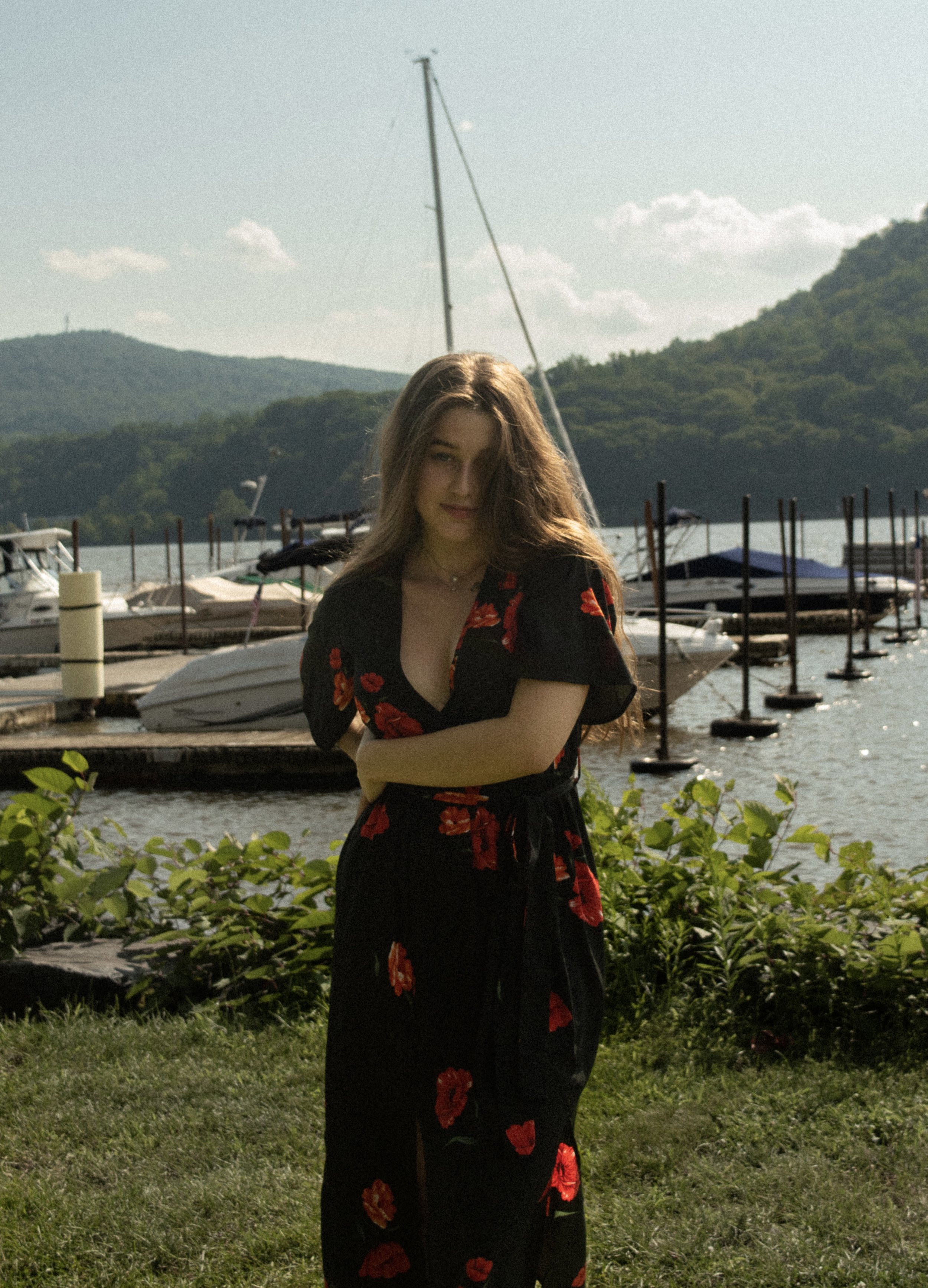
Varvara Aristakesyan
Varvara Aristakesyan’s films feel less like content and more like quiet confessions. Each frame lingers with intention, inviting viewers into moments of vulnerability and emotional honesty that often go unspoken. Rooted in deep, relatable themes of love, her work exists as a personal reflection of her experiences that people can resonate with.
Born and raised in Moscow, Russia, Varvara grew up constantly surrounded by art. Cinema, literature, and theater were not distant concepts but daily points of conversation. From a young age, she gravitated toward storytelling, first through writing and imaginative play, then through the lens of a camera she could never quite put down. After moving to the United States at eighteen, Varvara’s life became defined by transitions between cultures and by personal identity. That sense of displacement quietly shaped the emotional depth that now defines her films.
Her creative journey has never been rushed. Varvara approaches filmmaking as a process of devotion rather than performance. She taught herself editing through consistency, using social media as a structure for learning rather than validation. Before upgrading her equipment, she made sure she understood the emotional language of her work. When she did take that next step, she committed fully, challenging herself to make one film each week to grow not just technically but emotionally.
At the center of Varvara’s work is love. Not as an abstract ideal, but as something fragile with a deep human connection. Her films explore themes such as desire, heartbreak, missed timing, and emotional restraint. They are often inspired by her own experiences or quiet observations of others, yet they never feel accusatory. Instead, they function as reflections, offering space for both the subject and the viewer to see themselves more clearly.
Working largely as a one-woman crew, Varvara writes, directs, shoots, and edits most of her projects herself. This intimacy allows her to remain deeply connected to every decision she makes on screen. She prefers real people over polished performances, often casting strangers or collaborators she feels emotionally aligned with rather than formally trained actors.
Now based in New York City, Varvara does not see it as a final destination but as one chapter in a larger, nomadic vision. Her films are meant to travel, much like she has in her life: across cities, countries, and emotional states.
Through her work, Varvara continues to ask the same quiet question for her viewers to interpret: what does it mean to love and to be seen in a world that often forgets how?