
Nykara: South Bronx Born, Studio Polished
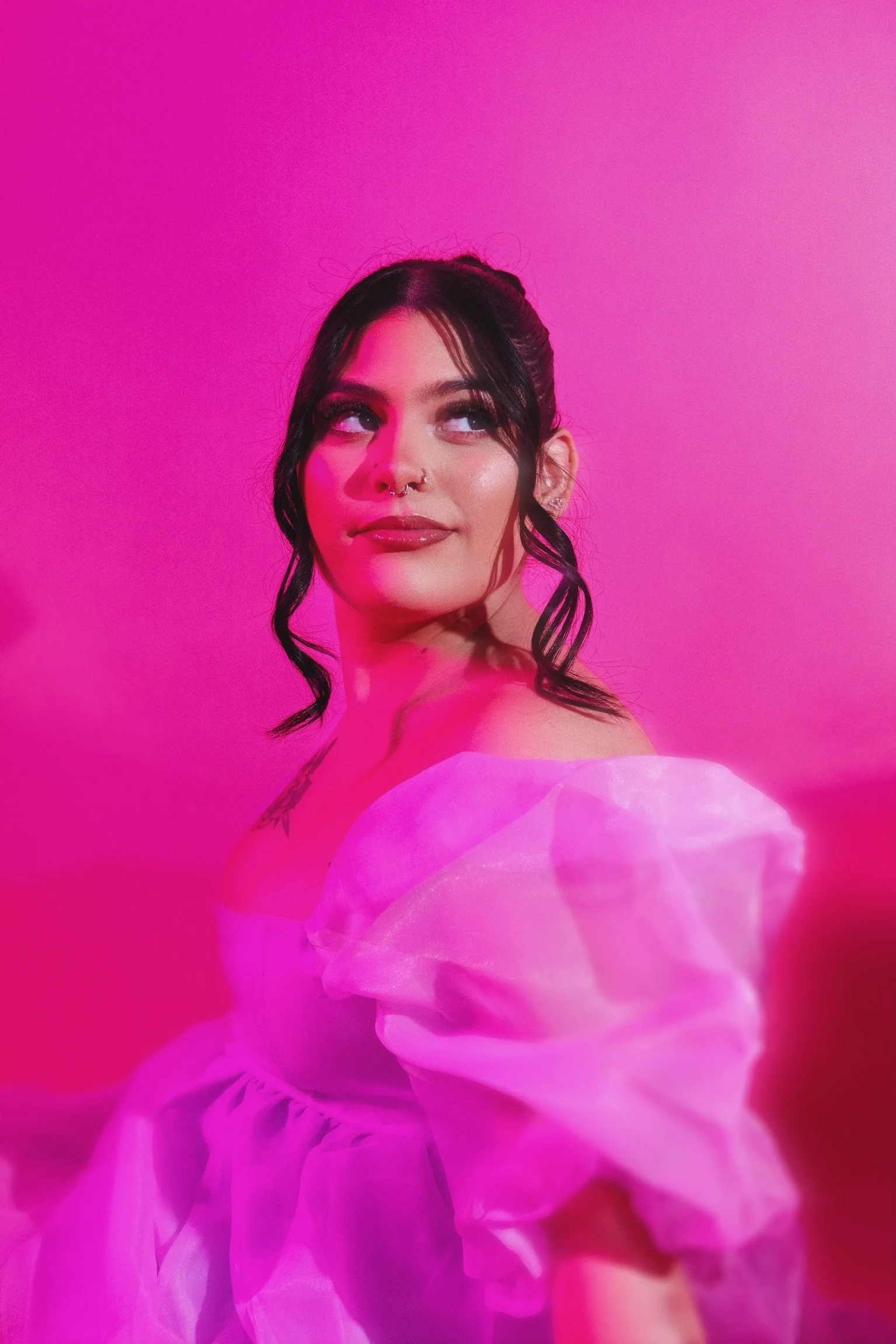
Nykara
Nykara makes music with honesty at the core. Born and raised in the South Bronx, she grew up surrounded by sound that meant something. Not the “everybody sings at family parties” cliché, but a quieter kind of musical legacy. Her dad spent time in studio settings back in the day. Her grandfather, who passed when she was one, was Spanish, and though she doesn’t remember him, the stories and photos became part of the mythology that shaped her. As a young kid, she was already singing around the house, moving through rooms like they were stages.
She received her earliest training in settings such as catholic school, church choir, and an after-school music program, which led her into more classical, professional practice. Still, she didn’t take songwriting seriously at first. She wrote because she felt like it, because it was there, because music stayed constant even when everything else changed.
The turning point came when she left home and attended Syracuse University, first through the music-focused high school pipeline and then fully into the Music Industry program. Syracuse didn’t just sharpen her talent. It gave her accessibility and a new language. Suddenly, the idea of paying for studio time, recording what lived in her Notes app, and releasing it with intention felt possible. She found herself around other musicians already doing it, and that proximity became her motivation.
Her work is also rooted in community. Her cousin produces her music, a relationship that began with childhood “messing around” and has matured into formal sessions and releases. Their first official drop together was “Honest,” a track on her 2022 EP Over It. That project captured a version of Nykara that felt lost, tender, and heavy in the chest. In 2025, Down Bad arrived with vulnerability but greater self-awareness, like someone narrating their own chaos while already planning the bounce-back.
One standout, “Not My Body,” is Nykara at her most cinematic. The song is painfully literal, pulled from a night that spiraled into 6 a.m. disappointment and the kind of anger that scares you because you recognize it. She wrote it as a conversation between her real self and an alter ego, the “try me” version.
Now, she’s stepping into more intentionality, more confidence, and remains truthful about the fact that healing isn’t linear. The music is evolving in real time, not as a rebrand, but as proof she’s still here, still writing, still turning lived experience into something you can play back and survive to.